
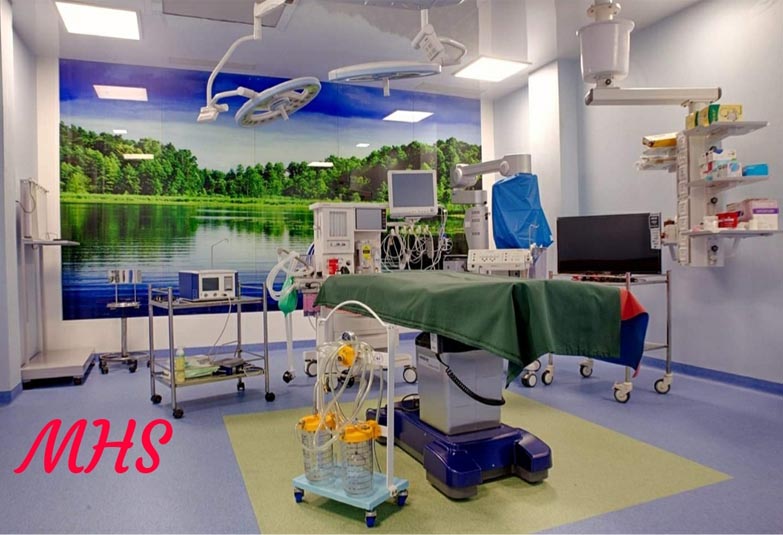
Healthcare facilities are continually improving to improve standards of care for patients, to prevent infections and to improve operational efficiency. One of the biggest innovations in hospital infrastructure has been the Modular OT, which has changed the way surgical settings are planned and maintained. In contrast to the traditional operating theatres, modular systems are made of prefabricated panels and specific components to produce a regulated, clean and efficient environment. These solutions enable healthcare institutions to uphold stringent cleanliness standards, while ensuring ease of maintenance and future upgrades.
Modern hospitals are progressively investing in modular healthcare infrastructure as it enables better workflow, increased patient safety and improved medical results. Modular structure offers the benefits of shorter installation times and long-term durability, providing a practical alternative for healthcare professionals.
Advanced Design for Improved Infection Control
One of the main objectives of a modular OT is to reduce the risk of hospital acquired infections. Each piece is meant to be smooth so it doesn’t collect dust, germs and pollutants. Smooth wall panels, antimicrobial coatings and specialist ceiling systems help to preserve sterile conditions during the surgical operation.
A modular IVF lab is specifically designed to maintain these exact conditions and to provide a safe environment for handling embryos and reproductive cells. From wall panels to air filtering equipment, the whole laboratory is designed to limit contamination concerns and sustain laboratory stability.
Sustainable & Future-Ready Healthcare Infrastructure
Healthcare facilities are more and more interested in sustainable building techniques, and modular construction is a good fit to support those goals.
Modular healthcare rooms are easier to adapt or extend, so hospitals may stay prepared for technology advances in the future without having to totally rebuild their structures.
Summary
With the ongoing shift toward innovation in healthcare, modular infrastructure is becoming an integral feature of today’s medical facilities. These sophisticated healthcare environments combine hygiene, flexibility, efficiency and future-proof design to support better patient care while enabling hospitals to meet the changing needs of medical science.


